Childhood Asthma
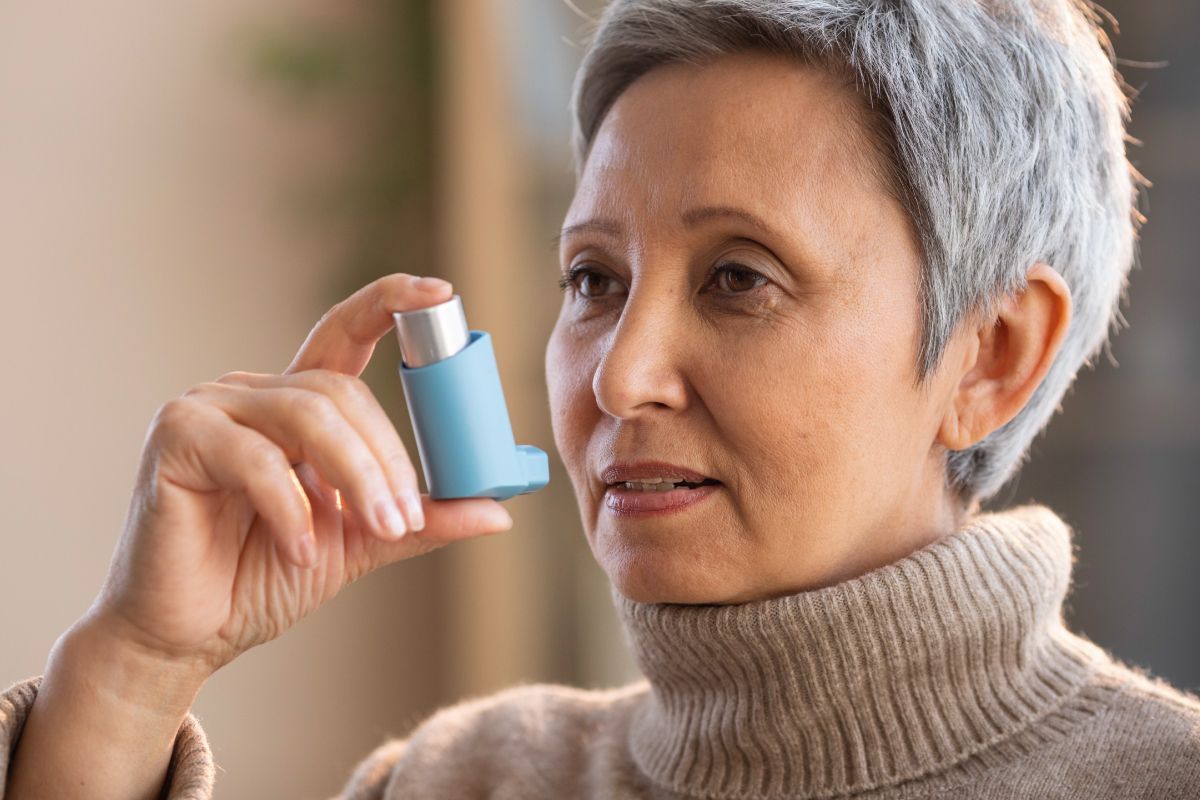
What is Asthma? Asthma is a life-long breathing problem and almost 5 million children have asthma. It is caused by swelling and closing of the airways and can make it hard to breathe. If your child has asthma and it’s not treated, it could limit the activities your child can participate in, as well as her ability to feel well and be alert in school.
Because asthma affects your child’s ability to breathe, it’s a serious condition. It can even cause death. That’s why asthma needs to be treated by a doctor, and why you need to carefully follow the doctor’s instructions.
Why do my child’s asthma symptoms come and go? Some things make asthma worse. These are called triggers, because they “trigger” symptoms. Common triggers are:
- Animal fur or dander
- Pollen from leaves or weeds
- Mold
A cold or the flu also can trigger asthma symptoms. Cold air and exercise can, too.
(Exercise and playing outside are good for your child, but she might need medicine before exercising.)
What is an asthma attack? Any time your child has asthma symptoms, it is an attack. Some attacks end quickly.
Others are serious. An attack is bad if:
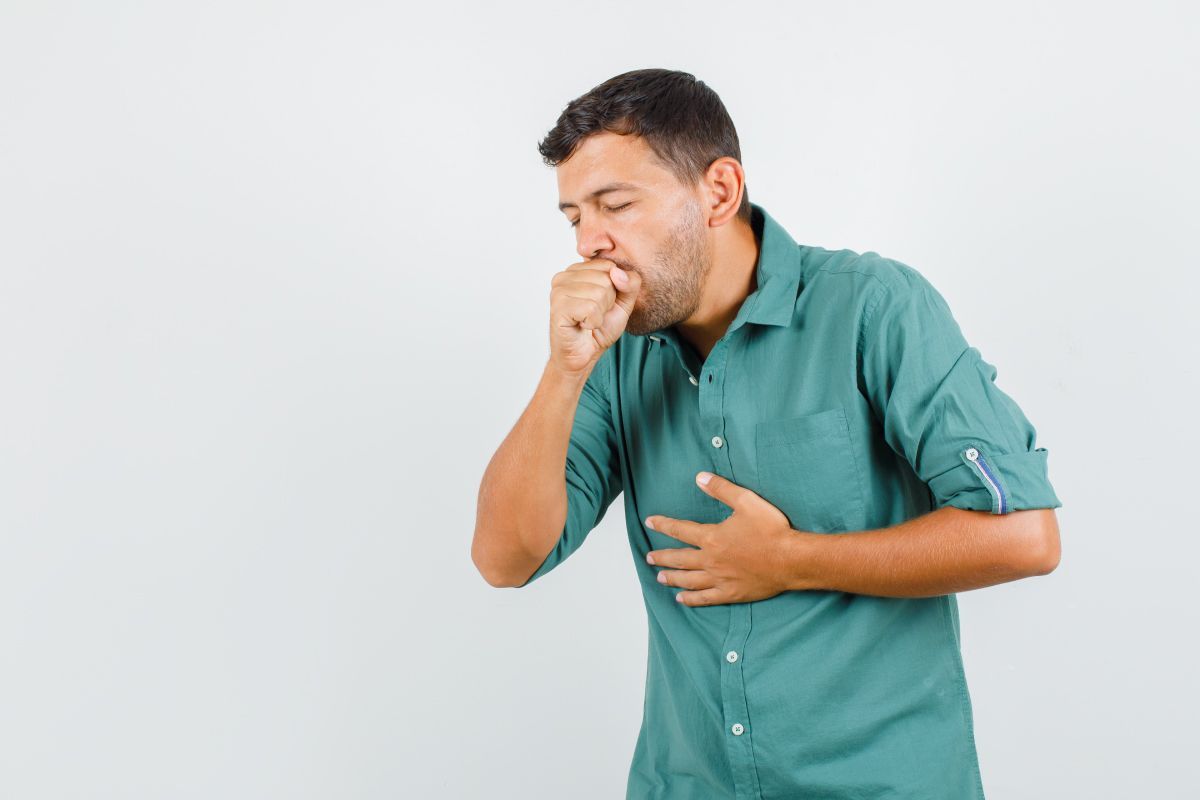
- The child has trouble breathing, walking, or talking.
- Lips or fingernails turn blue or gray.
- These symptoms get worse even after taking medication.
If these things happen, it is an EMERGENCY. Help your child take quick-relief medication and call 9-1-1.
Anaphylaxis
What is anaphylaxis? Anaphylaxis (an-a-fi-LAX-sis) is a serious allergies reaction that can happen in people who have allergies or asthma, and is caused by a number of normally harmless things who have allergies or asthma, and is cased by a number of normally harmless things called allergens. Most often foods, insect stings, and medicines cause it. Each year, about 40 people die after an anaphylactic reaction to insect stings, and about 100 people die from reactions to food.
Anaphylactic signs (or symptoms) usually do not happen the first time that you are near the allergen. That’s because it can take some time for your body to build up a dislike for the allergen.
Signs of anaphylaxis usually start in 5 to 30 minutes of coming in contact with the allergen. But sometimes symptoms can begin after 1 hour. An anaphylactic reaction can make it hard to breathe, or cause you to pass out. It can even cause death. That’s why anaphylaxis is always an emergency.
It is important to know when anaphylaxis is happening, hoe to treat it and how to stop it from happening again.
What are the signs of anaphylaxis? Signs of anaphylaxis usually include several of the following:
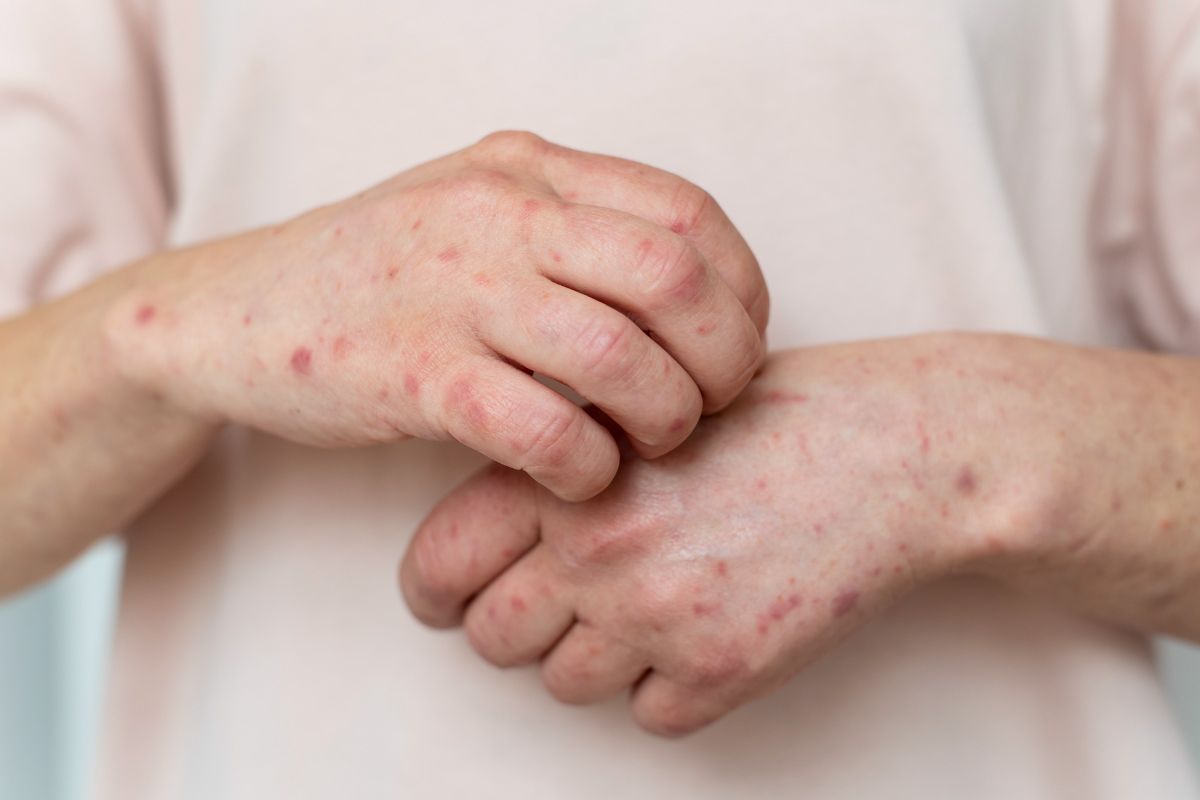
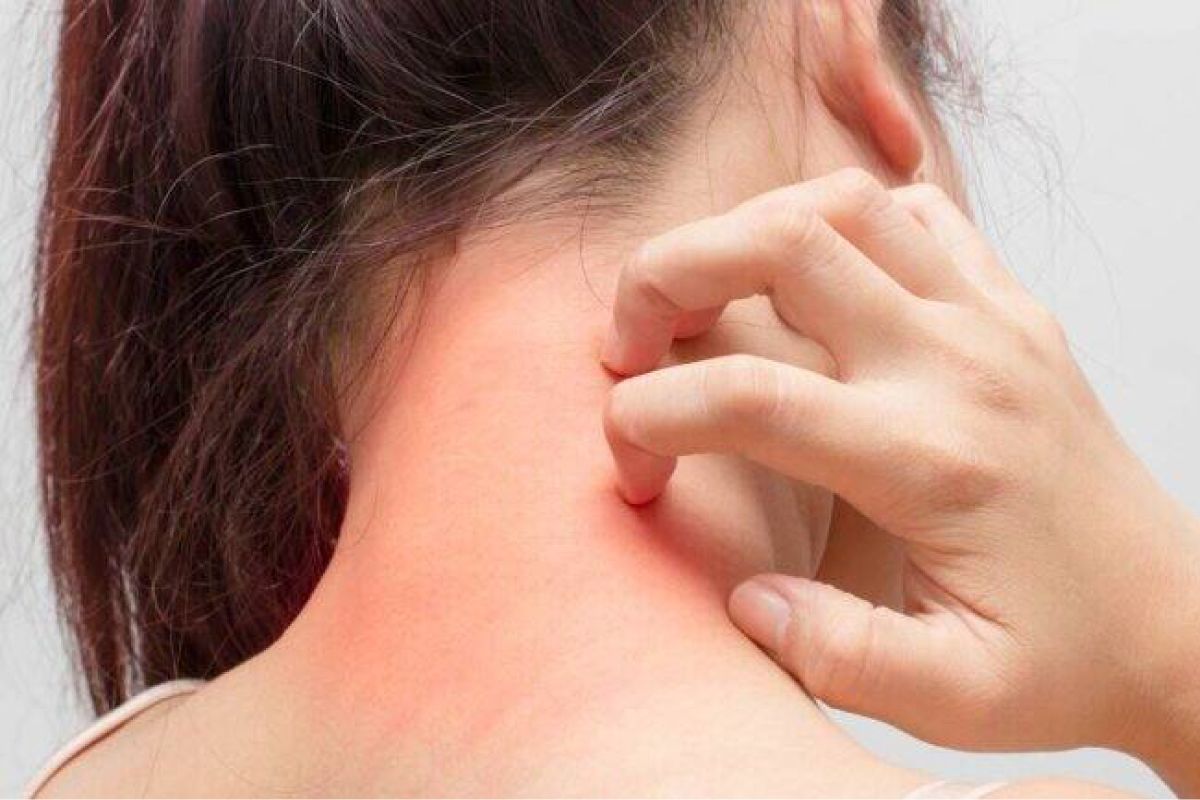
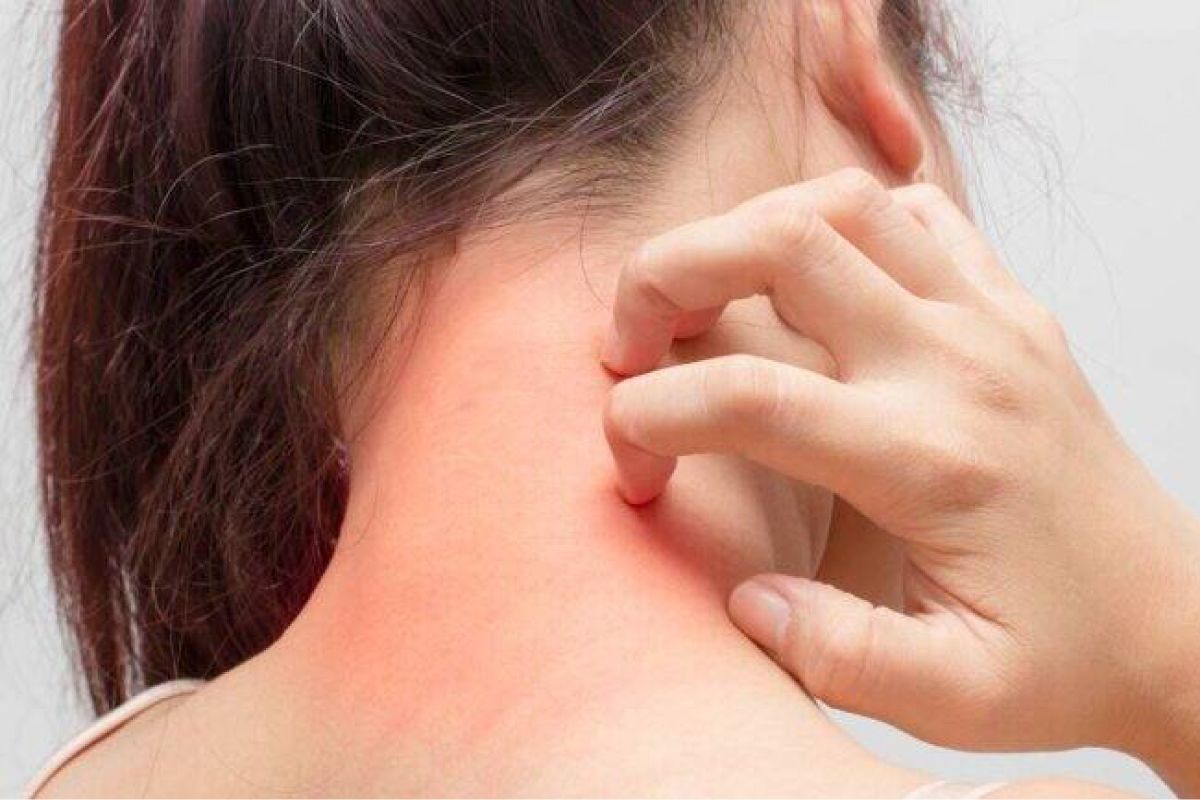
- A red rash, with welts, that usually is itchy.
- Swollen throat or swollen areas of the body.
- Wheezing (breathing that sounds like whistling from your chest).
- Passing out
- Chest tightness
- Trouble breathing
- A hoarse voice
- Trouble swallowing
- Vomiting
- Diarrhea
- Abdominal cramping
- A pale or red color to the face and body.
Anaphylaxis is a dangerous medical emergency that can lead to death. If you think you or your child may be having an anaphylactic reaction, call 9-1-1 to get immediate help.
Food Allergies and Reactions
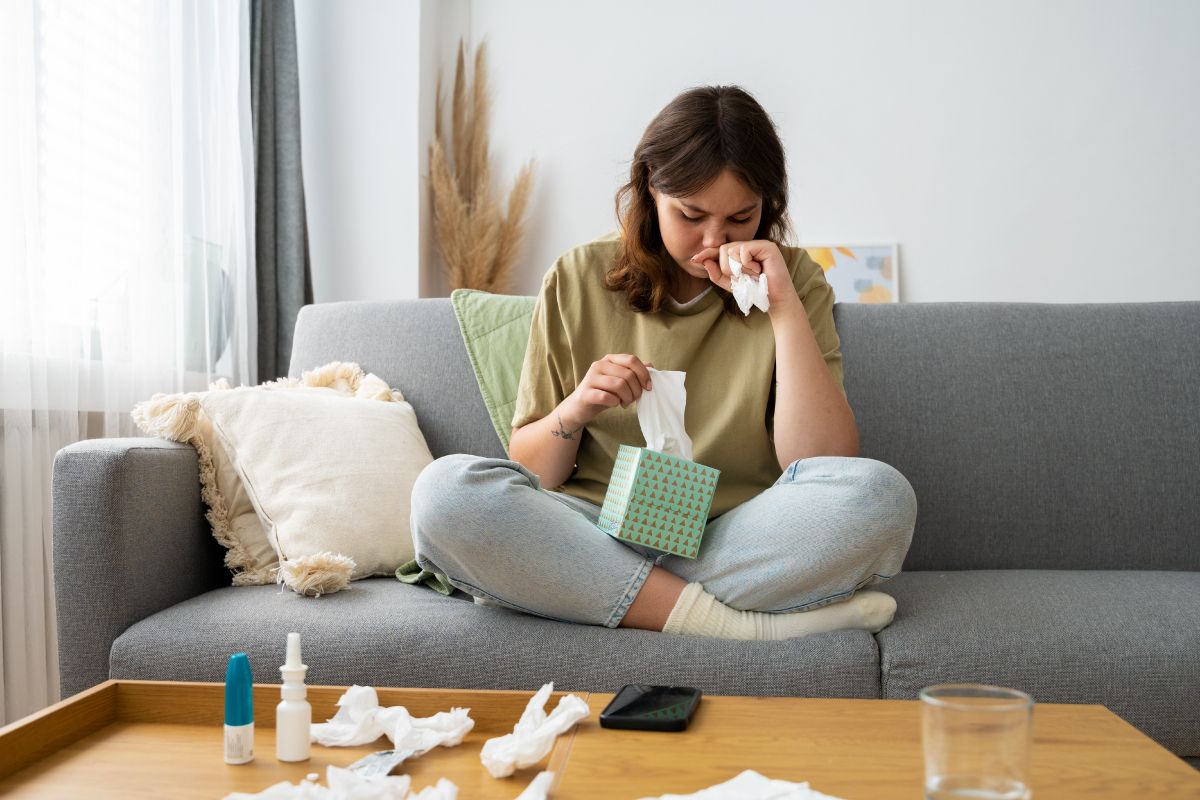
What are food allergies? When some people eat certain foods, even a tiny bit, they can have an allergic reaction, such as a rash, runny nose or itchy eyes. Some could even have a more serious reaction that can cause death. That type of reaction is called anaphylaxis (an-a-fi-LAX-sis).
What are the signs of a food allergy? Your body could respond in several ways if your are allergic to a certain food:
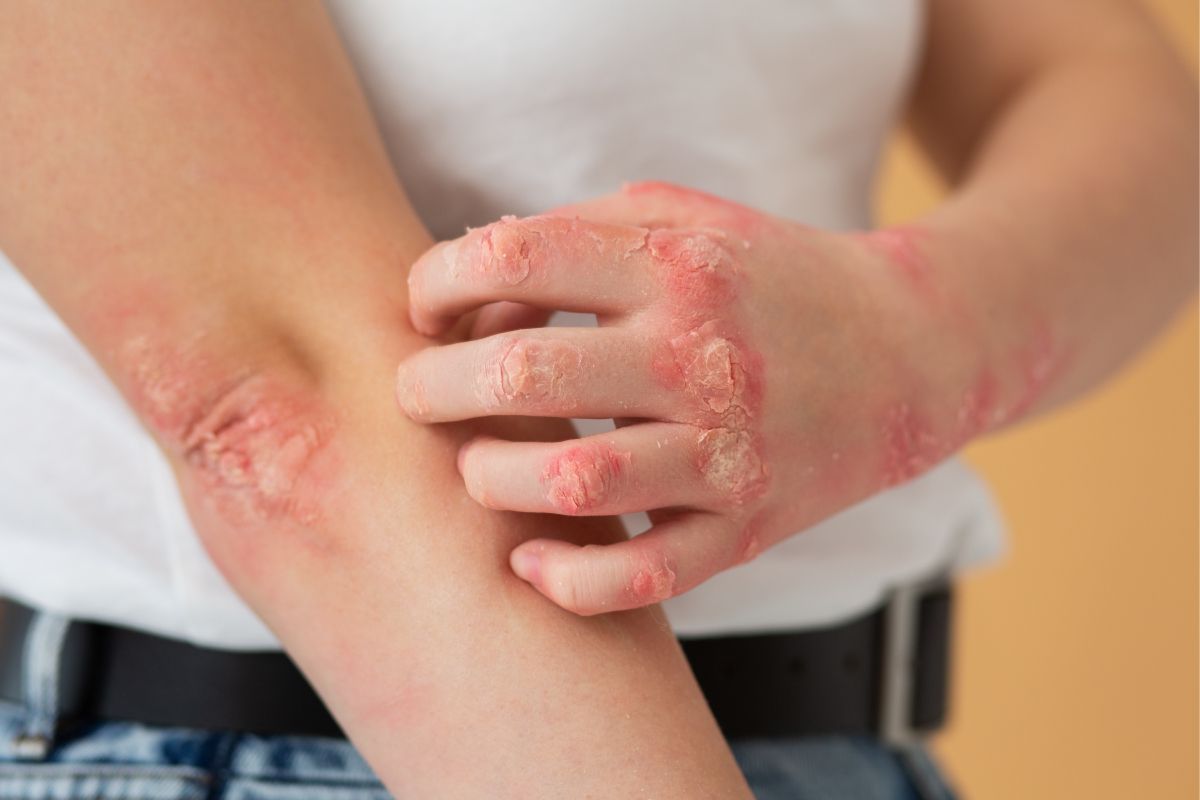
- Your skin could become red, itchy or develop a rash.
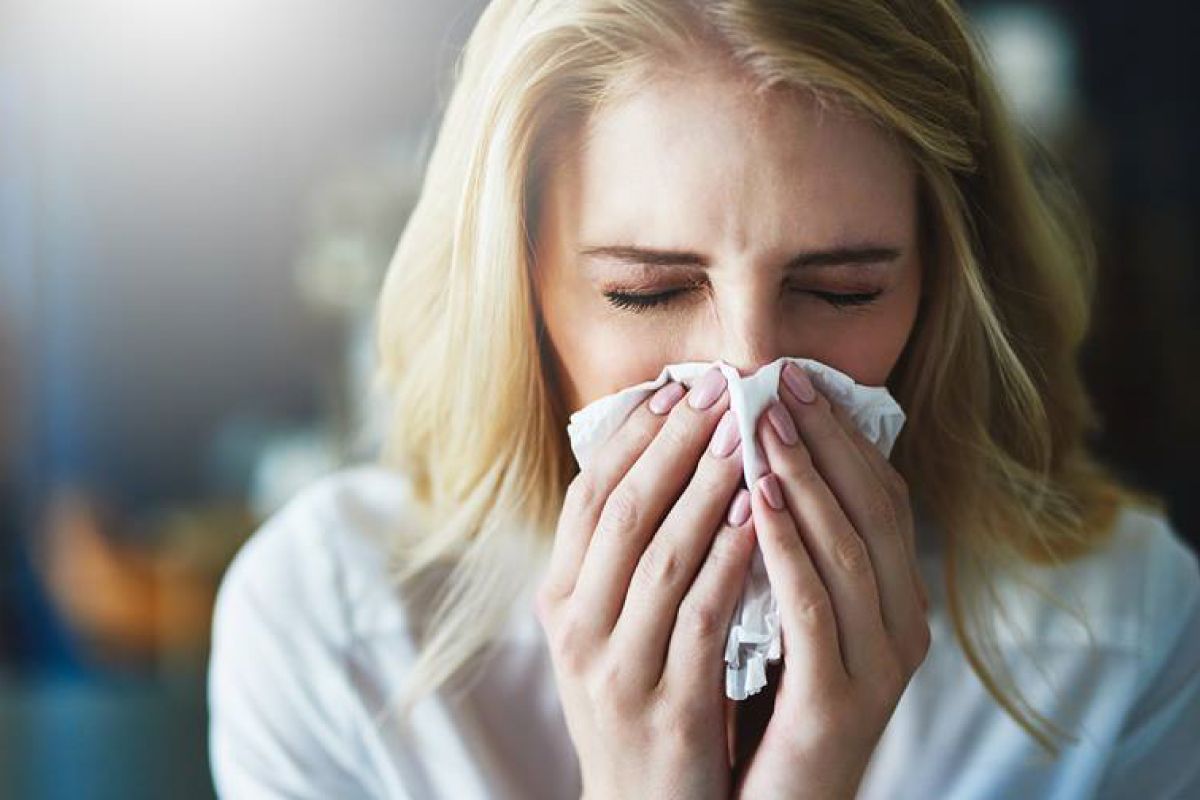
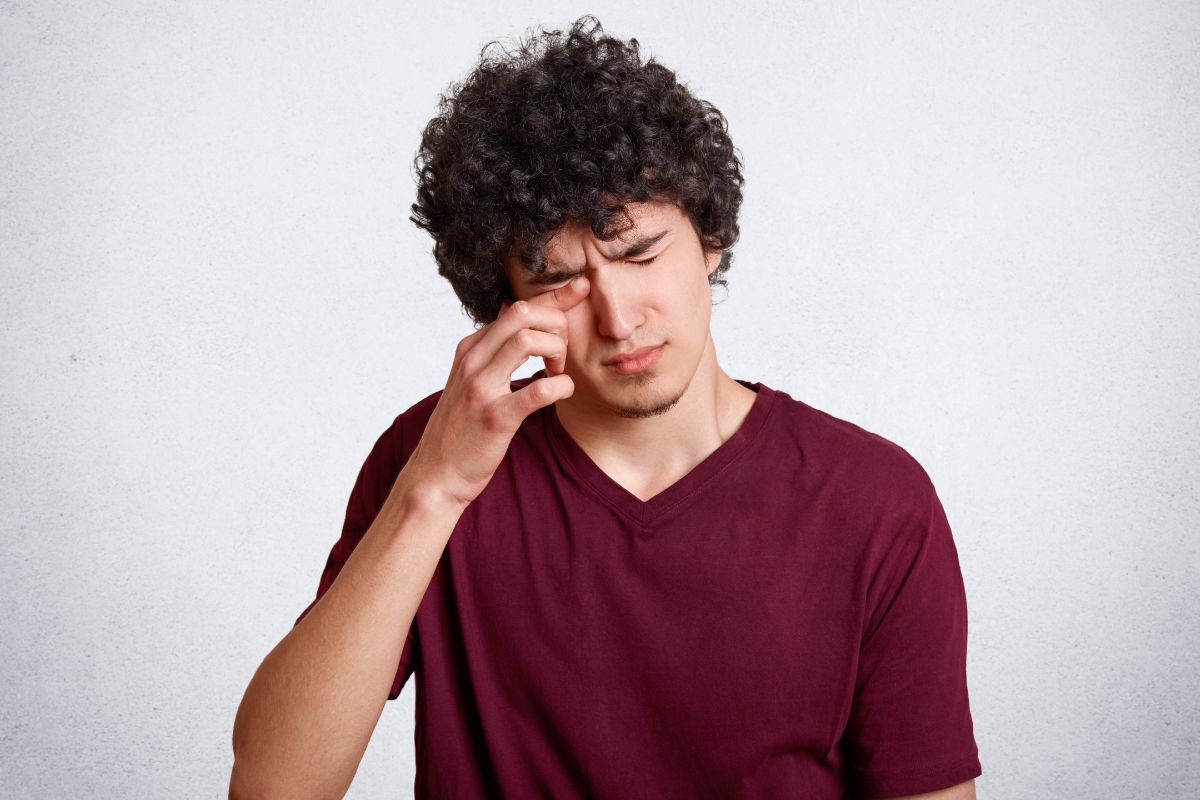
- Your nose could become stuffy or itchy, your might start sneezing, or your eyes could itch and develop tears
- You might vomit, have stomach cramps or diarrhea.
What are the sign of a dangerous food reaction? If you have any of the following, call 9-1-1. An anaphylactic reaction moves very quickly and can cause death.
- Hoarseness, throat tightness, or a lump in your throat.
- Wheezing, chest tightness or having a hard time breathing.
- Tingling in the hands or feet lips or scalp
How can I tell if I have food allergies? If you think you are allergic to a food, an allergist/immunologist will do tests to find out which foods you are allergic to.
Treatment Options
Allergy Immunotherapy
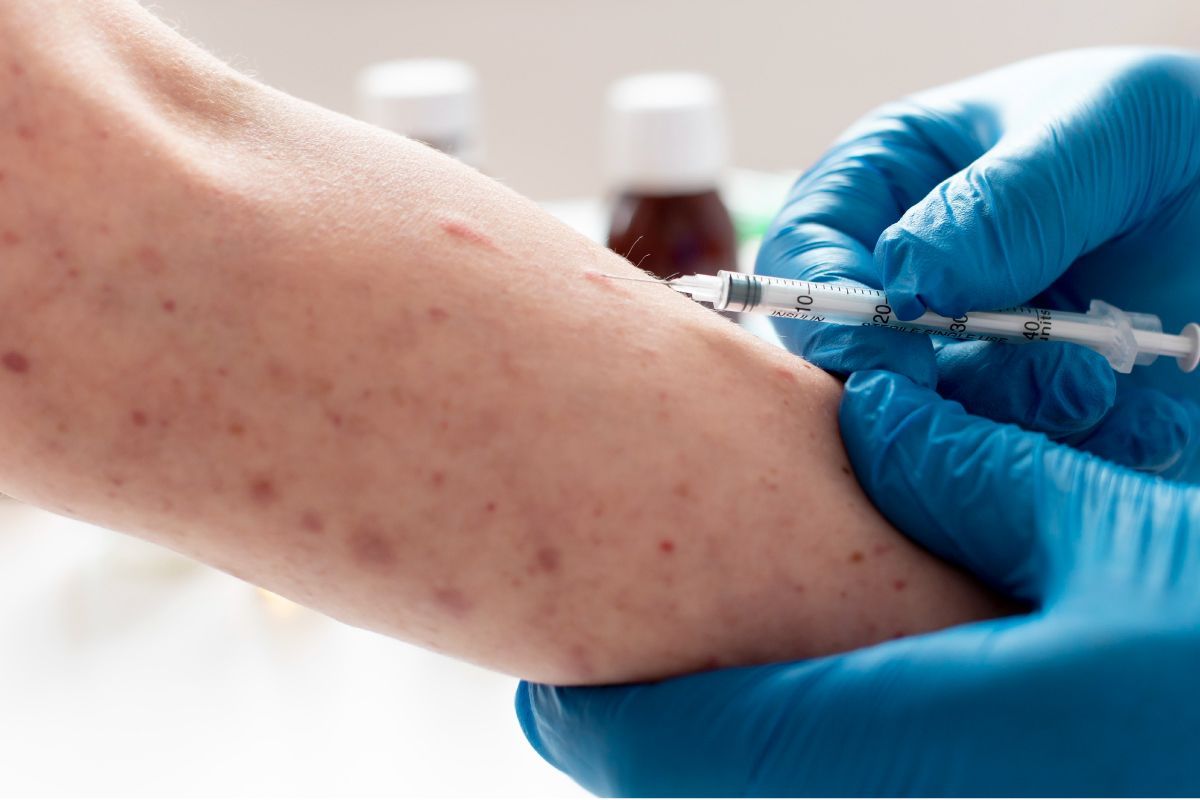
Allergy shots contain small amounts of the things that you are allergic to. These things are called allergens. The dose of allergen starts very low and is slowly increased over many weeks. The goal is to increase your immunity (resistance) to the allergens, and to reduce your allergy symptoms. When this happens, you can take less allergy medicine.
Allergy shots may help you if you have problems with allergies, such as:
Itchy, runny, or stuffy nose (allergic rhinitis)
Itch, watery, or red eyes (allergic conjunctivitis)
Allergy induced asthma
A life-threatening reaction to insect stings
Your doctor will decide the number of shots you will need. For the first six to nine months, the dose of allergen in each shot is a little bigger each week. This build-up phase can sometimes take longer than nine months. Once you have reached your highest dose, you will be in the “maintenance phase”. In this phase the dose remains the same with each shot. You may have fewer symptoms in the first six months of treatment. You should start having fewer symptoms after being on a maintenance dose for one to two years. You will continue to get shots for three to five years. It takes this long to protect you from allergens.
Often associated with the shot you can have redness, swelling, or pain at the site of the shot. These symptoms usually start 20 to 30 minutes after the shot and may not go away until the next day. This is typically well tolerated.
If you have a reaction that is bigger than one and a half inches wide, (half dollar size) you should tell your doctor. A reaction that lasts longer than 24 hours also should be reported to the doctor. Depending on the extent of the reaction, the amount of your next dose may need to be changed.
The benefits of treatment include:
You might be cured of your allergies.
You may need less allergy medicine.
You may be sick less often and miss less work or school because of illness.
You may feel better in general.
The shots may stop children from getting other allergies.
The shots may stop children with allergies from getting asthma. |